How To Use Pictures For Mac Login Profile
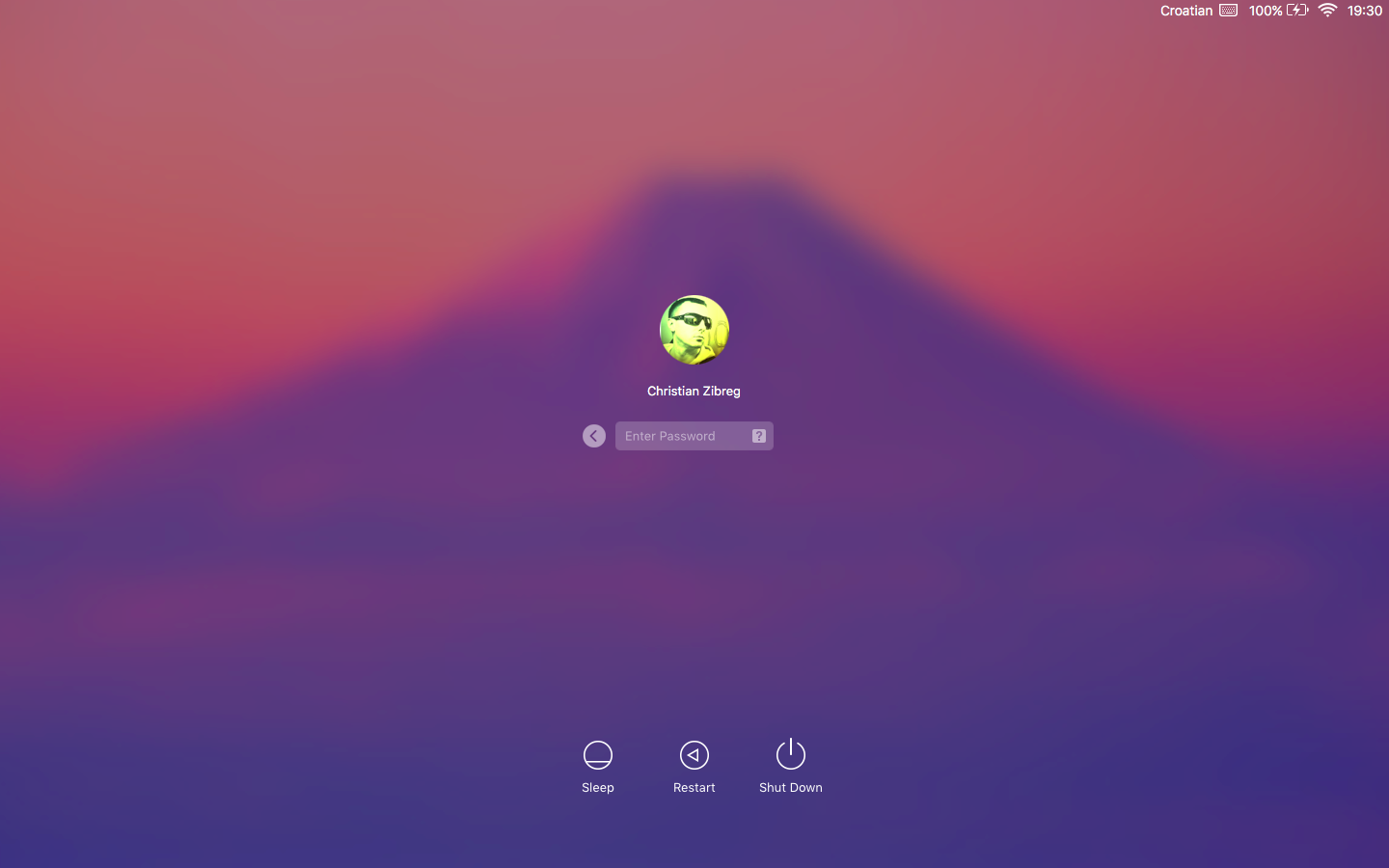
Using KeyLemon, you can login to Windows or Mac and unlock the computer just by sitting in front of your computer instead of typing the password. KeyLemon does give you option to fall back to the password based login, but you can remove this option from the KeyLemon settings. Mar 11, 2016 The profile picture for your macOS user account is adjustable separately of, and has nothing to do with your iCloud profile image. Images for Mac user accounts identify macOS users on the login and boot screen, in the Fast User Switching menu and the System Preferences → User & Groups preference pane.
It’s time to customize your Mac, starting with, Change desktop background Picture on macOS Catalina/macOS Mojave or earlier and give to your Apple Mac customize background look. Your desktop (Macbook Air, MacBook Pro and iMac) wallpaper; you can change manually using here given way, How to Change desktop background Picture on MacOS Catalina and macOS Mojave. You can do settings using that get update desktop background automatically; it’s Possible via MacOS X System preference.
As a Mac OS X 10.10– Wallpaper, Choose an amazing image from given dozens of default Picture Apple’s Mac or Choose a Solid Color. Even, you can adjust your Own Photograph; likewise your favorite iPhoto images Such as Selfie, Natural Scene, Waterfall, Snow leopard, Memorable Family Tour Trip capture and more. On the same Window pane of Change Desktop background, you can also set Screen Saver feature.
we are happy to help you, submit this Form, if your solution is not covered in this article.
Don’t Miss– Change Desktop Resolutionand Customize Folder on macOS Sierra.
How to Change Desktop Background Picture on macOS Catalina/macOS Mojave
Didn’t satisfied with the default desktop background of macOS Catalina/macOS Mojave? No need to worry, Apple allows you to change the desktop background picture on macOS Catalina or any other macOS.

Method 1: From Desktop
Step 1: Right-click on the desktop.
Step 2: Select Change Desktop Background.
Step 3: Now, find the picture that you would like to set as a desktop background on macOS Cataline.
Method 2: From System Preferences
Step 1: Click on the Apple logo and select System Preferences.
Step 2: Go to Desktop & Screen Saver.
Step 3: Click on the Desktop tab.
Step 4: Make a choice from Solid Color and Desktop Pictures or photo from the library to set one of the pictures as a desktop background picture on your macOS.
How to Change Desktop Background Picture on Earlier MacOS X
Step 1.Select ‘’Apple logo’’
Step 2.Choose System Preferences
Step 3.Click on Desktop & Screen Saver
Step 4.Now, Click on Desktop
Step 5. Choose a picture that comes default on your Mac,
- Select bellow pictures bellow
- Use solid colors – Choose solid colors to set on your desktop
- You can use your own picture – Select a location bellow iPhoto.
- You can also choose pictures from the Picture folder.
Even your image in another folder then Click ‘+’, navigate to and select the folder, then click choose.
Leave your reply, on How to Change desktop background Picture on Mac OS X Yosemite – 10.10. You can set auto-update through, checked box of Change Picture, you can scroll and set for Every 30 minutes, Every 1 hour and more. Keep fresh your screen from Download HD Mac Wallpaper or For iPhone 7 Plus Download Wallpaper.
Also Read – Best Real Estate apps for iPhone 6, Phone 6 plus – Canada- USA – 2015
Share this post on, how to Change desktop background Picture on Mac OS X Yosemite in your Social media Facebook, Twitter, Pinterest, and others.
Jaysukh Patel is the founder of howtoisolve. Also self Professional Developer, Techno lover mainly for iPhone, iPad, iPod Touch and iOS, Jaysukh is one of responsible person in his family.
Contact On: [email protected] [OR] [email protected]
Premium Support is Free Now
We are happy to help you! Follow the next Step if Your Solution is not in this article, Submit this form without Sign Up, We will revert back to you via Personal Mail. In Form, Please Use the Description field to Mention our reference Webpage URL which you visited and Describe your problem in detail if possible. We covered your iPhone 11 Pro, iPhone 11 Pro Max, iPhone 11, iPhone 8(Plus), iPhone 7(Plus), iPhone 6S(Plus), iPhone 6(Plus), iPhone SE, iPhone 5S, iPhone 5, iPad All Generation, iPad Pro All Models, MacOS Catalina or Earlier MacOS for iMac, Mac Mini, MacBook Pro, WatchOS 6 & Earlier on Apple Watch 5/4/3/2/1, Apple TV. You can also mention iOS/iPadOS/MacOS. To be Continued..
If a new family member or even a new office co-worker is going to use your Macintosh, you can create a new user account for them. Having separate user accounts means each person who uses the Mac can each have their own settings, like iCloud account information, application preferences, and desktop wallpaper. They can each have their own repository of files and folders. It's the safest way to make sure you're not overwriting or otherwise disturbing each other's files. Here's how to do it.
Breaking down what each account means
First, some notes about the different user accounts you can set up on the Mac:
The first account on any newly set up Mac is the administrator account. There has to be at least one. This account is the one you need to set up a new user from. Administrators can add and manage other users on the Mac, install apps, and change settings. Your Mac can have multiple administrator accounts.
Standard user accounts are set up by the Mac administrator account, and can install apps and change settings, but can't add other users or change other users' settings. If you're in charge of the Mac and its accounts but don't want anyone else to be, create standard accounts for them.
Managed with parental controls is the best setting for kids or anyone else who needs a guiding hand when using the Mac. These users can access only the apps and content specified by the administrator using parental controls. Among other things, you can restrict managed users' contacts, website access and place time limits on computer use.
Sharing only accounts can access shared files remotely, but can't log in to the computer or change settings. This is helpful if you have users you frequently share files with who don't need direct access to the computer. If you don't want to create sharing only accounts, you can also share files using AirDrop, or attach them in Mail using Mail Drop.
Group accounts give multiple users the same access privileges. That group will have the same access to shared files and folders. Let's say that multiple users need access to stationery files stored on your Mac for office correspondence: Make them part of the 'office' group, then make sure the 'office' group has permission to that folder in the File Sharing section of the Mac's Sharing preferences.
How to create a new user account on the Mac
- Click on the Apple icon in the upper left corner of your Mac's screen.
- Select System Preferences from the drop down menu.
- Click on Users & Groups.
- Click the lock in the lower left corner to make changes.
- Type your administrator password.
- Click Unlock.
- Click the Add user account button (it looks like a plus, underneath the list of user accounts). .
- Set the new user's account type.
- See the notes above to understand the difference between administrator, standard, managed with parental controls, sharing only and group. You can enable administrator access and even enable parental controls after an account has been created, so if you're not sure what to set, don't panic. .
- See the notes above to understand the difference between administrator, standard, managed with parental controls, sharing only and group. You can enable administrator access and even enable parental controls after an account has been created, so if you're not sure what to set, don't panic. .
- Enter a full name for the user.
Enter an account name.
This account can be linked to an iCloud account, which will enable the user to log in using their own Apple ID. This can make cloud sharing, syncing with iOS devices and other Macs easier.
You can set up a separate password, which you'll be required to input and verify. You can also enter a hint in case the user (or you) forget the password.
When you're finished, click the Create User button.

How to delete a user account
- Click on the Apple icon in the upper left corner of your Mac's screen.
- Select System Preferences from the drop down menu.
- Click on Users & Groups.
- Click the lock in the lower left corner to make changes.
- Type your administrator password.
- Click Unlock.
Click the Remove user account button (it looks like a minus, underneath the list of user accounts).
Any questions?
Do you have any questions about how to create a new user account on your Mac? Drop them in the comments and I'll help you out.
macOS Catalina
Main
Newton's LawThe next iPad update might turn it into a Newton with handwriting-to-text
We're hearing more and more about iOS 14 and iPadOS 14, with the latest news pointing to a new feature that will sound familiar to Newton owners.